The History and Cultural Significance of Tapas in Spain
Table Of Contents
The Role of Tapas in Spanish Festivals
Festivals in Spain are often vibrant celebrations that blend music, dance, and gastronomy. Tapas play a crucial role in these gatherings, serving not just as food but also as a cultural expression. During festivals such as La Feria de Abril in Seville or Las Fallas in Valencia, locals and visitors alike gather around tables filled with an array of small dishes. This communal dining experience fosters connection among people and enhances the festive atmosphere.
The variety of tapas available during these occasions reflects the regional diversity of Spanish cuisine. Each festival showcases local ingredients and traditional dishes, making the culinary aspect an integral part of the event. For instance, in the Basque Country, pintxos are a popular feature, while Andalusian festivals may highlight seafood-based tapas. This emphasis on small plates allows festival-goers to sample different flavours and engage in the cultural tapestry of Spain while celebrating together.
Celebratory Dishes and Culinary Traditions
In Spain, food often plays a central role in celebrations, and tapas are no exception. During festive occasions like weddings, religious fiestas, and regional carnivals, a variety of small dishes are prepared to showcase local produce and traditional recipes. Each region boasts its own specialities, from croquetas and patatas bravas to seafood delicacies. These shared plates invite socialising and create a communal atmosphere, reflecting Spanish culture's emphasis on gathering with family and friends.
Culinary traditions surrounding tapas highlight the significance of food in bringing people together. Many dishes are steeped in history, passed down through generations, and each bite reveals stories of the past. The preparation of these small plates often involves local ingredients that may have been sourced from nearby markets, reinforcing connections to the land. Traditional methods, such as slow-cooking or marinating, contribute to the distinctive flavours, making each dish a celebration of time-honoured practices and regional pride.
Pairing Tapas with Spanish Wines
In Spain, the enjoyment of tapas often goes hand in hand with a well-chosen wine which enhances both the flavours of the dishes and the overall dining experience. Each region in Spain boasts its own unique wines, making it possible to pair local tapas with their corresponding varietals. For example, salty olives and cured cheeses are beautifully complemented by a crisp white wine from the Rías Baixas region, while more robust dishes like chorizo or patatas bravas are best enjoyed with a full-bodied red such as a Tempranillo from Rioja.
Beyond traditional pairings, modern interpretations of tapas invite creative wine choices that explore new flavour profiles. Sparkling wines often accompany seafood-based tapas, offering a refreshing contrast to dishes like gambas al ajillo. Furthermore, the rise of natural and organic wines in Spain has introduced a broader range of options that align well with contemporary dining trends. This flexibility in pairing not only celebrates Spain's diverse culinary landscape but also encourages diners to experiment and discover combinations that appeal to their personal tastes.
The Perfect Harmony of Flavours
The intricate pairing of tapas with various Spanish wines showcases a remarkable interplay of flavours that enhances the dining experience. Different types of tapas, from the rich, earthy flavours of chorizo to the refreshing, light notes of gazpacho, create opportunities for delightful contrasts when matched with carefully selected wines. Regional varieties, such as a robust red from Rioja or a crisp white from Rías Baixas, accentuate the ingredients present in the dishes. This thoughtful combination allows diners to explore the diverse gastronomic landscape of Spain in a single meal.
Each bite of tapas can evoke an array of sensations, inviting patrons to savour the harmonious balance of taste, texture, and aroma. The act of sharing multiple small plates encourages a more interactive and communal dining experience. Guests can navigate a broad spectrum of flavours, from spicy to savoury, bland to piquant. Sips of wine between bites elevate these sensations, resulting in a multi-layered culinary adventure. This engagement with food reflects a broader tradition of conviviality and generosity that underscores the Spanish culture.
The Influence of Tapas on Global Cuisine
The small-plate concept of tapas has transcended the borders of Spain, influencing culinary practices around the world. Many international restaurants have adopted the idea of serving shareable plates, allowing diners to explore a variety of flavours in one sitting. This shift has made dining experiences more communal and interactive, which resonates well with modern eating habits that favour socialising over formality.
Furthermore, the adaptability of tapas has inspired chefs globally to integrate local ingredients and flavours into their variations. From Asian-inspired offerings featuring dumplings to Latin-infused bites with spices and salsas, the tapas model encourages creativity and experimentation in cooking. This evolution highlights not only the versatility of the format but also its capacity to foster a sense of connection through food.
How Tapas Inspired International Dining Trends
The advent of tapas in Spain has not only captivated locals but has also sparked a global culinary revolution. Their small, shareable nature encourages social dining, allowing for a communal atmosphere that resonates well with contemporary food culture. This shift has led to the emergence of numerous tapas-style restaurants worldwide, where patrons enjoy a variety of flavours in a relaxed setting, often accompanied by vibrant drinks. As a result, the traditional Spanish tapas experience has been adapted in various international cuisines, inspiring chefs to innovate and create their own versions of shareable platters.
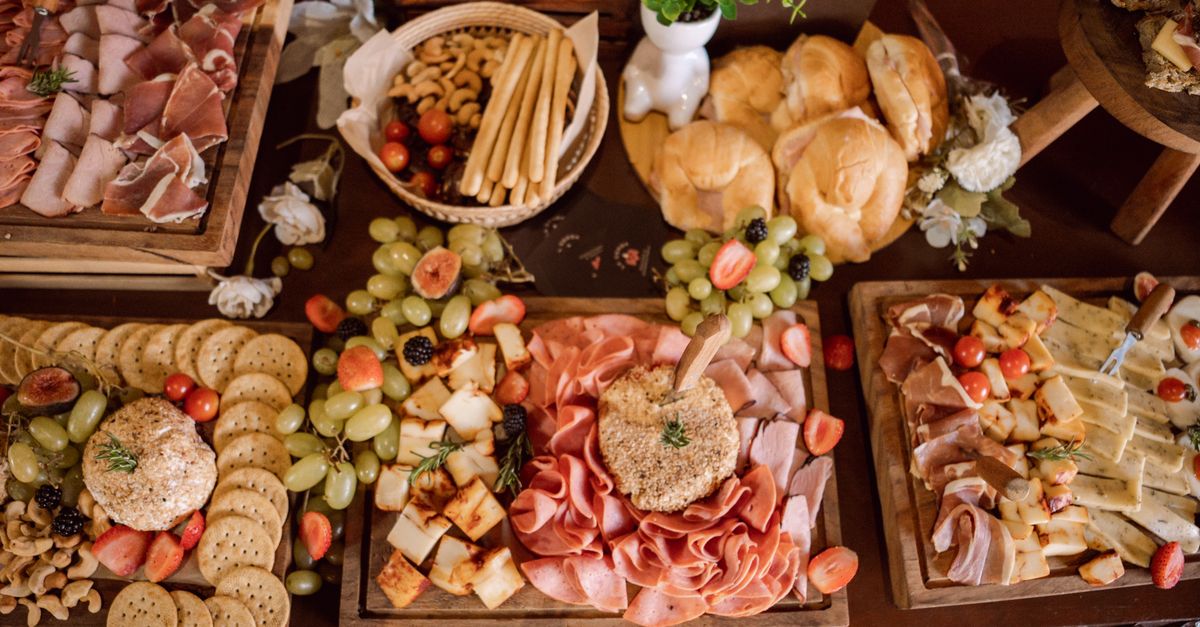
Across different cultures, the influence of tapas can be seen in the rise of grazing boards and small-plate dining, appealing to those who appreciate varied culinary experiences. Diners are more inclined to sample multiple dishes rather than committing to a single entrée. This change reflects a broader desire for exploration and versatility in dining options, transforming how meals are enjoyed around the world. Tapas have paved the way for creativity, allowing chefs to showcase their skills while inviting a collective dining experience that is both enjoyable and memorable.
FAQS
What are tapas?
Tapas are small dishes or appetizers in Spanish cuisine, typically served with drinks and meant to be shared among friends and family.
How do tapas vary across different regions of Spain?
Tapas vary significantly from region to region, with each area offering its own unique ingredients and styles, reflecting local culinary traditions and preferences.
What types of dishes are commonly served as tapas?
Common tapas include a variety of items such as olives, chorizo, patatas bravas, calamari, and a range of cheeses, each showcasing the diverse flavours of Spanish cuisine.
How do you pair tapas with wines?
Pairing tapas with wines involves selecting wines that complement the flavours of the dishes. For instance, lighter tapas might be best paired with a crisp white wine, while richer flavours may call for a robust red.
What impact have tapas had on international dining trends?
Tapas have inspired a global trend towards small plates and communal dining, encouraging a more social and interactive dining experience in various culinary cultures around the world.
Related Links
Vegetarian Tapas: A Taste of Spain for EveryoneThe Best Tapas Bars to Experience in Sydney
Finding Authentic Ingredients for Spanish Tapas in Sydney
Innovative Twists on Traditional Spanish Tapas
Tapas and Social Dining: The Spanish Tradition Explained