Perfect Pairings: Red Wines for Spanish Tapas
Table Of Contents
Monastrell
This bold red wine variety is known for its deep colour and robust flavour profile. Monastrell, also known as Mourvèdre in France, showcases ripe dark fruit aromas such as blackberries and plums. Its full-bodied nature often comes with a hint of spice and earthy undertones, making it a favourite among those who appreciate a wine with character. The tannins are generally soft, allowing for an engaging mouthfeel that complements a variety of dishes.
Pairing Monastrell with Spanish tapas elevates the overall dining experience. The richness of the wine harmonises beautifully with dishes like chorizo al vino or hearty lentil stew. Its boldness can also stand up to grilled meats and aged cheeses, enhancing the flavours of these traditional Spanish offerings. Whether enjoyed with a lively gathering or a casual dinner at home, Monastrell provides a delicious accompaniment worth exploring.
Best Tapas to Enjoy with Monastrell
Monastrell, known for its intense flavours and velvety texture, pairs wonderfully with a variety of Spanish tapas. Dishes featuring rich, meaty components like chorizo al vino or spicy morcilla complement the wine's bold character. The robust nature of Monastrell also holds up well against the slightly smoky flavours of grilled peppers or eggplant. These combinations enhance the overall tasting experience and highlight the wine's depth.
Seafood tapas shouldn't be overlooked when enjoying Monastrell. Grilled octopus, seasoned with paprika and olive oil, offers a delightful contrast to the wine's tannins. Dishes like stuffed squid or garlic prawns can also create a unique balance between the earthiness of the wine and the delicate textures of the seafood. The interplay of flavours and aromas in these pairings captivates the palate and supports the idea that perfect pairings can offer surprising and enjoyable results.
Regional Variations in Tapas
Spanish tapas reflect the diverse culinary traditions found across the country. In Andalusia, you'll encounter bold flavours, such as fried fish and salmorejo, which highlight the region's access to fresh seafood. Catalonia favours heartier options with more emphasis on meat-based tapas, like "escalivada" or grilled vegetables topped with anchovies. Each area has its own special ingredients and techniques, resulting in unique flavour profiles that can deeply influence the dining experience.
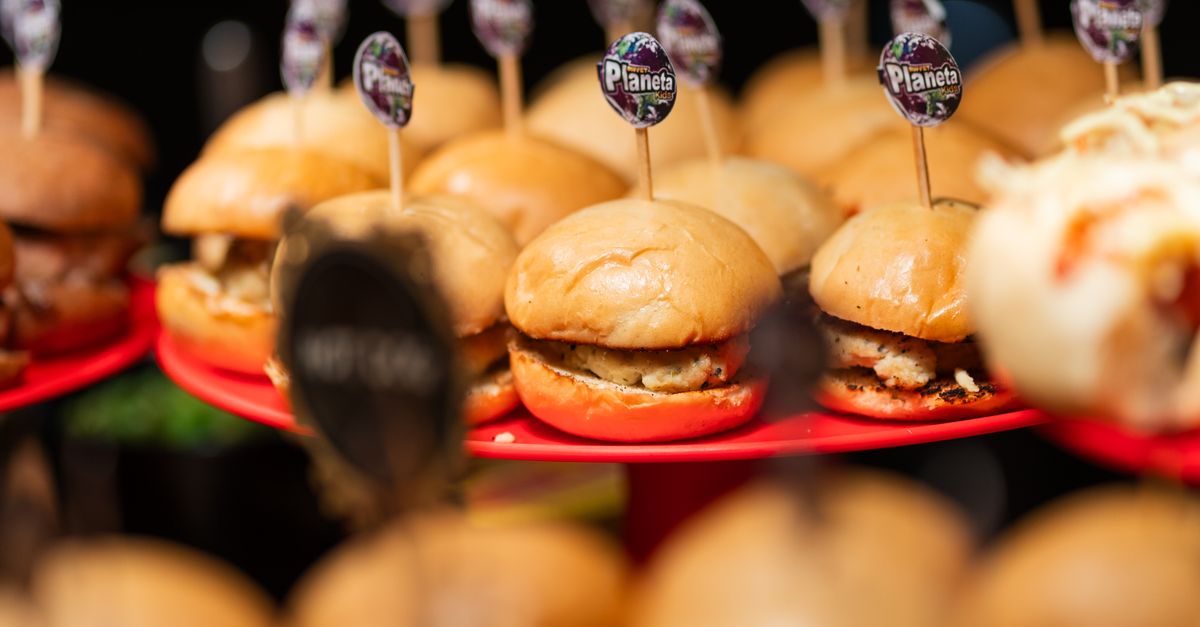
The Basque Country, known for its pintxos, offers small bites often skewered with toothpicks, featuring combinations of seafood, meats, and local cheeses. In contrast, the Mediterranean regions focus on lighter, vegetable-centric dishes complemented by breads and olives. This geographical variety not only amplifies the range of tapas available but also allows for intriguing wine pairings that enhance the overall gastronomic journey. The regional honours showcased in these small plates make exploring Spanish cuisine all the more rewarding.
Wine Pairing Recommendations by Region
Each region in Spain showcases its unique culinary traditions, which often dictate the best wine pairings. In Andalusia, where tapas often include seafood, a light-bodied red like Garnacha can complement dishes such as fried fish and shrimp. Moving to Catalonia, the flavours are more robust and often feature hearty meats. A preferred match would be a full-bodied wine, such as a Priorat, which can stand up to dishes like chorizo and meatballs, enhancing their rich flavours.
In the Basque Country, pintxos tend to be smaller and more varied in flavour profiles, allowing for experimentation with wine choices. A light, fruity Tempranillo pairs beautifully with anchovies or peppers. The northern region of La Rioja is famous for its aged reds, which harmonise well with grilled meats and rich cheeses. In this area, a classic Rioja wine brings out the depth of flavours in dishes, creating a balanced dining experience.
Food and Wine Pairing Principles
Striking a balance between food and wine is essential, as each element can enhance or detract from the other. When working with Spanish tapas, it is important to consider the flavours and textures of both the wine and the dishes. Rich wines with bold characteristics often pair well with hearty dishes, while lighter wines can complement more delicate flavours. Acidity in wine can help cut through fatty foods, while tannins may soften with grilled or roasted meats.
Considering the regional aspects of both the wine and the tapas adds another level of complexity to the pairing experience. Each region in Spain has its unique culinary traditions shaped by local ingredients and cultural influences. Matching wines with specific regional tapas can elevate the dining experience. The key lies in understanding the individual elements of each dish and how they can harmonise with the characteristics of the wine, ensuring that every bite and sip enhances the overall enjoyment.
Balancing Flavours for Optimal Enjoyment
Achieving harmony between wine and food enhances the dining experience. Consider the weight, richness, and acidity of both the wine and the tapas. A lighter wine might be overshadowed by robust dishes, while a full-bodied wine may overwhelm delicate flavours. It’s important to look for contrasts and complements in taste. For example, pairing a rich Monastrell with smoky chorizo offers a beautiful juxtaposition, allowing both elements to shine.
Balancing flavours also involves attention to seasoning and ingredients in the tapas. The saltiness of cured meats can heighten the fruitiness of a wine, while spicier dishes may call for a wine with higher acidity to cut through the heat. Experimentation is key; every palate is different, and personal preferences play a significant role in the ideal pairing. Taking time to savour various combinations can lead to delightful discoveries and elevate the overall enjoyment of the meal.
FAQS
What is Monastrell wine and what makes it unique?
Monastrell is a red wine grape variety primarily grown in Spain, known for its rich, robust flavours and deep colour. It often has notes of dark fruits, spices, and earthy undertones, making it a versatile choice for pairing with a variety of foods.
What are the best tapas to pair with Monastrell?
Monastrell pairs well with hearty tapas such as chorizo, grilled meats, and rich stews. Its bold flavours complement the richness of these dishes, enhancing the overall dining experience.
Are there specific regional tapas that pair better with certain red wines?
Yes, different regions in Spain produce various tapas that match well with specific red wines. For instance, lighter wines may pair well with seafood tapas from coastal regions, while richer wines like Monastrell are better suited for robust meat dishes from inland areas.
What are the key principles of food and wine pairing?
The key principles of food and wine pairing include balancing flavours, matching the body of the wine with the weight of the food, and considering acidity and tannin levels. A harmonious match enhances both the food and the wine.
How can I balance flavours when pairing wine with tapas?
To balance flavours, consider the intensity of the dish and the wine. For example, rich and spicy tapas can be complemented by bold wines, while lighter dishes can be enhanced by wines with higher acidity. Experimenting with different combinations can help find the perfect match.
Related Links
Understanding the Role of Sherry in Spanish CuisineWhite Wines That Complement Traditional Paella
Balancing Flavours: Wine Pairings for Spicy Spanish Dishes
The Influence of Terroir on Spanish Wine Choices
Spanish Wine Varieties to Elevate Your Catering Experience