Navigating Dietary Requirements with Spanish Catering for Corporate Events
Table Of Contents
Gluten-Free Choices in Spanish Cuisine
Spanish cuisine offers a variety of naturally gluten-free dishes that can easily accommodate guests with gluten sensitivities. Tapas such as patatas bravas, a spicy potato dish, and gambas al ajillo, garlic prawns, are crowd-pleasers that require no gluten-containing ingredients. Many Spanish stews, like pisto, a ratatouille-like vegetable medley, also provide hearty options for gluten-sensitive diners.
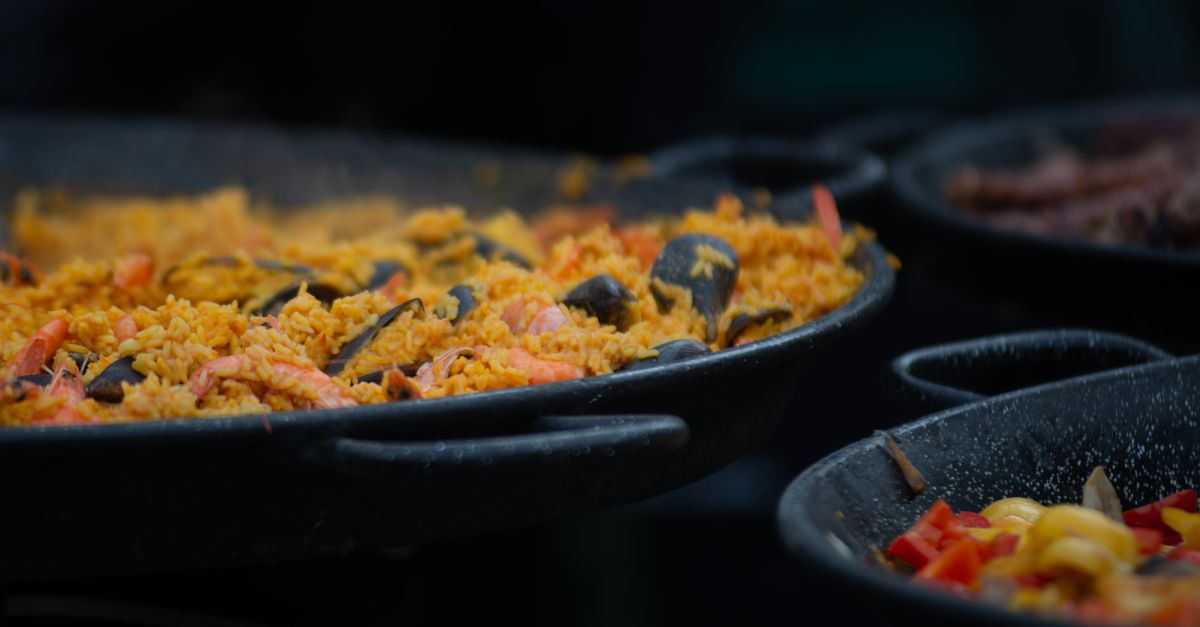
For those looking for robust flavours while adhering to gluten-free diets, options like grilled meats and seafood are widely available. Utilising ingredients such as rice, legumes, and a variety of vegetables ensures that everyone can enjoy a fulfilling meal. Dishes like paella, when prepared with gluten-free rice varieties, showcase the vibrant essence of Spanish cooking while catering to dietary needs.
Delightful Alternatives for Gluten-Sensitive Guests
Spanish cuisine offers a rich variety of naturally gluten-free dishes that can cater to gluten-sensitive guests without compromising on taste. Tapas, for instance, provide an excellent starting point. Patatas bravas, made from crispy potatoes and spicy tomato sauce, can be a crowd-pleaser. Additionally, ingredients like fresh seafood, olives, and grilled vegetables can be mixed and matched to create delightful platters that everyone can enjoy.
Another beautiful option is paella, traditionally made with rice, seafood, and a medley of vegetables and spices. It is inherently gluten-free when prepared without any added gluten-containing ingredients. Selecting items like gazpacho, a chilled tomato soup, also makes for a refreshing and safe choice. By emphasizing these gluten-free dishes, the catering experience can be both inclusive and satisfying for all guests.
Incorporating Nut-Free Dishes
When catering for a corporate event, it’s essential to consider guests who may have nut allergies. Fortunately, Spanish cuisine offers a variety of nut-free options that are both flavourful and satisfying. Dishes like paella, which can highlight a medley of seafood, chicken or vegetables, can provide a hearty centrepiece without the risk of cross-contamination from nuts. Tapas also serve as an excellent way to present a range of small dishes that can easily be tailored to meet dietary needs.
In addition to traditional offerings, there are specific ingredients commonly used in Spanish dishes that can replace allergens without compromising taste. For instance, using olives, saffron, and a variety of fresh vegetables can enhance the menu while ensuring safety for those with nut sensitivities. It is advisable to work closely with the catering team to ensure that all ingredients are carefully sourced and prepared in a manner that avoids any nut exposure. This attention to detail not only accommodates guests but also showcases the versatility of Spanish cuisine.
Safe and Delicious Selections
For corporate events catering to nut-sensitive guests, incorporating delightful alternatives is crucial. Spanish cuisine offers a variety of dishes that can be prepared without nuts while still delivering on flavour and satisfaction. Tapas options such as patatas bravas or grilled vegetable skewers can be made nut-free, ensuring everyone has tasty choices. Additionally, traditional Spanish favourites like paella can be custom-prepared with allergy-friendly ingredients, allowing for diverse palates to enjoy the meal.
It is essential for catering teams to be fully aware of dietary restrictions and preferences when planning menus. Open communication with the caterers helps to identify potential allergens and ensures that safe, delectable options are available for every guest. By requesting detailed ingredient lists and discussing preparation methods, hosts can relieve concerns, allowing attendees to savour the authentic tastes of Spanish cuisine without worry.
Navigating Allergies with Spanish Catering
Ensuring that all guests feel safe and catered for is essential, especially in a corporate setting. Spanish cuisine offers a variety of dishes that can accommodate numerous dietary restrictions. However, it is crucial to remain vigilant about the specific ingredients used in each dish. Items like seafood, nuts, or dairy can easily become problematic for those with allergies. Selecting catering providers well-versed in the nuances of Spanish food can alleviate concerns, as they understand the importance of allergen-free options.
Effective communication between event organisers and caterers plays a vital role in navigating dietary restrictions. Sharing a comprehensive list of guest allergies with the catering team allows them to create dishes specifically tailored to those needs. When placing orders, inquiring about ingredient sourcing, cross-contamination practices, and preparation methods is vital. This transparency fosters a worry-free environment for guests, allowing them to fully enjoy the flavours of Spanish cuisine without compromising their health.
Communication with Caterers
Clear communication is vital when addressing dietary requirements with caterers. Providing detailed information about your guests' needs ensures that the catering team can prepare dishes that are safe and enjoyable. This includes specific allergies, intolerances, and personal preferences. It’s beneficial to compile a comprehensive list of attendees who require special accommodations and relay this information early in the planning process.
As events near, maintaining an open line of communication helps confirm that all dietary concerns are being met. Regular check-ins can assist in clarifying any potential misunderstandings and allow for adjustments if necessary. A collaborative approach fosters trust and supports the creation of a well-rounded menu that caters to everyone’s needs.
FAQS
What are some gluten-free options in Spanish cuisine?
Spanish cuisine offers various gluten-free dishes, including grilled meats, seafood, and vegetable-based tapas. Popular options include patatas bravas (spicy potatoes), tortilla española (Spanish omelette), and paella made without traditional rice substitutes.
How can I ensure there are nut-free dishes available for my event?
When planning your corporate event, communicate clearly with your caterer about your need for nut-free dishes. Many Spanish dishes, such as gazpacho and certain seafood options, can be prepared without nuts, ensuring the safety of all guests.
What steps should I take to navigate food allergies with Spanish catering?
To effectively manage food allergies, it's essential to communicate all dietary restrictions to your caterer well in advance. Ask about their experience with allergies, specific dish ingredients, and any potential cross-contamination issues.
Are Spanish desserts suitable for guests with dietary restrictions?
While many traditional Spanish desserts may contain gluten or nuts, there are alternatives that cater to specific dietary needs. Options like flan or fresh fruit platters can be enjoyed by guests with various restrictions, but it's vital to confirm their ingredients beforehand.
How can I communicate my dietary requirements to a Spanish catering service?
When contacting a Spanish catering service, provide a detailed list of dietary requirements, including gluten-free, nut-free, and any allergies. It's advisable to have an open dialogue about menu options and ask for recommendations that accommodate your guests' needs.
Related Links
The Benefits of Choosing Spanish Catering for Corporate GatheringsCreative Spanish Menu Ideas for Corporate Networking Events
Unique Spanish Catering Services to Enhance Your Sydney Corporate Events
Pairing Spanish Wines with Corporate Event Menus
Key Elements of Successful Spanish Catering for Corporate Clients