Discovering Galician Seafood Delights for Your Next Event
Table Of Contents
Creating a Galician Seafood Feast
A Galician seafood feast showcases the rich culinary heritage of Galicia, a region in Spain renowned for its abundance of fresh seafood. Incorporating a variety of local specialities is essential. Think about including octopus, which can be grilled or cooked in a traditional Galician style, served with paprika and olive oil. Other popular choices like clams, mussels, and the iconic Galician percebes (goose barnacles) can elevate your spread, providing guests with a taste of the ocean's finest offerings.
Freshness is key when preparing a seafood feast. Sourcing local seafood ensures the best flavours and supports nearby fisheries. Opt for seasonal products whenever possible, as they are often more affordable and tastier. Presentation should not be overlooked; arrange the seafood aesthetically on large platters. Adding garnishes such as lemon wedges and fresh herbs can enhance the visual appeal. Serve a selection of dipping sauces, including aioli or a zesty vinaigrette, to complement the dishes beautifully.
Tips for Event Planning
When planning an event centred around Galician seafood, it’s essential to consider the venue's space and layout. A relaxed atmosphere allows guests to enjoy their meals and socialize comfortably. Create distinct areas for dining and mingling. This separation can enhance the overall experience. Ensure that there’s ample seating and that tables are arranged to encourage interaction while maintaining a sensible flow.
Menu selection is crucial for catering to different tastes. Incorporate a variety of seafood options, from classic dishes like pulpo a la gallega to lesser-known delicacies that might surprise guests. Offering a mix of cooked and raw seafood can cater to diverse palates. Providing clear identification of each dish helps guests with dietary restrictions make informed choices. Prepare for potential allergies by inquiring about guests’ needs in advance, ensuring that everyone can partake in the celebration.
Pairing Beverages with Seafood
When it comes to enhancing the flavours of Galician seafood, selecting the right beverages is essential. A crisp white wine such as Albariño is a popular choice, as its bright acidity complements the freshness of seafood dishes remarkably well. Alternatively, a light sparkling wine can add a festive touch while providing a refreshing contrast to the richness of dishes like octopus or clams.
For those who prefer something stronger, a gin and tonic with botanicals that evoke the coastal essence can enhance the dining experience. Additionally, consider local spirits that reflect the region's character. A well-crafted vermouth served on the rocks can be a delightful accompaniment to seafood tapas, offering a balance that keeps guests engaged and delighted throughout the meal.
Complementary Wines and Spirits
When hosting an event centred around Galician seafood, the choice of wine and spirits can significantly enhance the dining experience. White wines, particularly Albarino from the Rias Baixas region, perfectly complement the fresh, briny flavours of shellfish and fish dishes. A crisp and aromatic profile brings out the subtle nuances of seafood while providing a refreshing contrast to rich sauces or buttery preparations.
For those who prefer a stronger option, consider exploring a selection of Spanish gins. These often feature botanicals inspired by the diverse landscapes of Galicia and can be served in classic cocktails or simply with tonic water. Additionally, local craft beers can offer a robust pairing that harmonises with the texture of grilled octopus or fried calamari, providing guests with a memorable tasting experience.
Dietary Considerations
When planning a seafood event, being mindful of dietary preferences and restrictions is essential. Many guests may have allergies or dietary choices, such as vegetarianism or veganism. Including a variety of dishes ensures that every attendee can enjoy the feast. Consider options that incorporate local vegetables, grains, and plant-based proteins to cater to those seeking non-seafood alternatives.
It's also important to label all dishes clearly, especially those containing common allergens like shellfish, fish, or gluten. This transparency helps guests make informed choices and feel more comfortable. Offering a selection of gluten-free options and those prepared without dairy can further enhance inclusivity. Doing so not only shows consideration for your guests but also elevates the overall dining experience.
Catering to Diverse Preferences
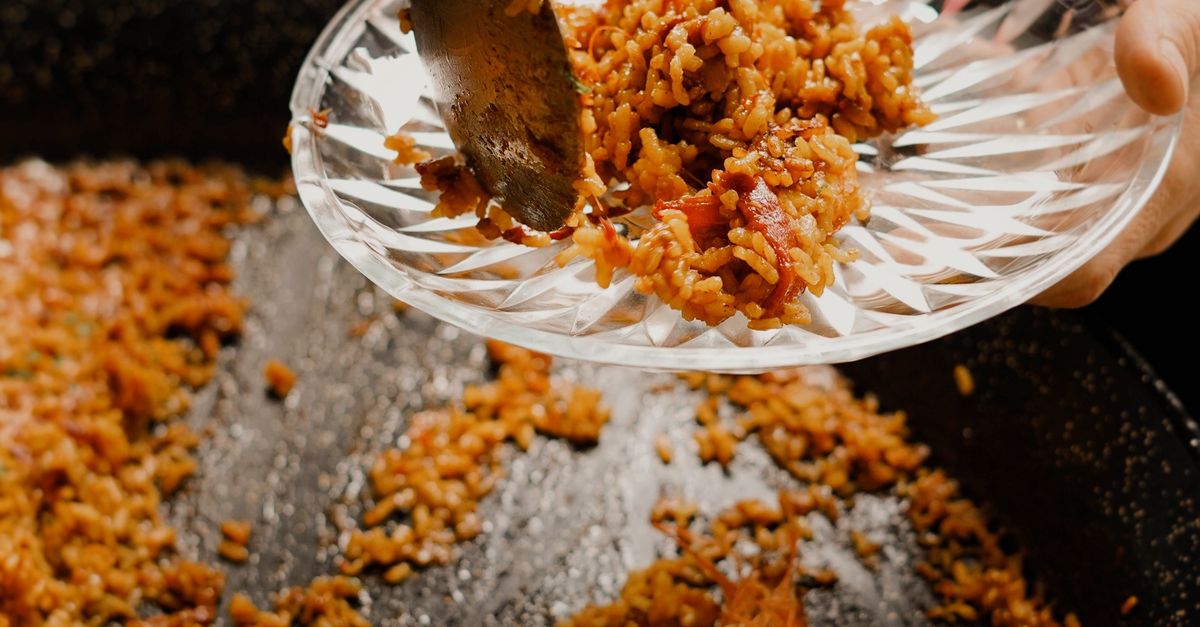
Incorporating a variety of seafood options can greatly enhance your event. Consider offering both classic Galician dishes like pulpo a la gallega and more adventurous preparations such as seafood paella. This approach allows guests to explore different flavours while accommodating specific dietary needs. For those who prefer plant-based options, introducing vegetable-based tapas can create balance and ensure that everyone has enjoyable choices.
Dietary restrictions are an important consideration in menu planning. Being mindful of common allergies, such as shellfish, makes the dining experience more inclusive. Labelling dishes clearly assists guests in making informed choices about what they eat. Offering gluten-free and lactose-free options can also cater to a broader audience. These thoughtful touches demonstrate respect for your guests’ preferences and create a welcoming atmosphere.
FAQS
What are some traditional Galician seafood dishes I should consider for my event?
Traditional Galician seafood dishes include Pulpo a la Gallega (Galician-style octopus), Empanada de Atún (tuna pie), and various shellfish like percebes (goose barnacles) and scallops. These dishes showcase the region's rich maritime culture.
How can I create a Galician seafood feast for my guests?
Start by selecting a variety of seafood dishes to highlight the flavours of Galicia. Incorporate fresh ingredients, traditional cooking methods, and local seasonings. Consider serving seafood tapas for a casual yet delightful experience.
What beverages pair well with Galician seafood?
Albariño, a white wine from Galicia, is an excellent choice to pair with seafood due to its crisp acidity and fruity notes. Additionally, you may also consider light beers, spritzers, or even gin and tonics as refreshing accompaniments.
Are there dietary considerations I should keep in mind when planning a Galician seafood event?
Yes, it's important to consider allergies, dietary restrictions, and preferences. Be sure to include options for vegetarians, vegans, and those with shellfish allergies. Clearly label dishes and provide alternative proteins when necessary.
How can I cater to diverse preferences at my event?
To cater to diverse preferences, offer a variety of seafood options alongside non-seafood dishes. Include vegetarian and gluten-free options, and consider creating a build-your-own seafood platter to allow guests to choose their preferred items.
Related Links
A Journey Through the Basque Region’s Culinary Offerings in SydneyThe Vibrant Culinary Traditions of Catalonia for Sydney Caterers
Unveiling the Specialties of Extremadura for Unique Catering Options
Incorporating the Saffron of Castilla-La Mancha into Catering Menus
A Fusion of Regional Flavours: Spain’s Mediterranean Coast in Sydney
Authentic Asturian Cider and Its Pairings for Sydney Gatherings
The Diversity of Spanish Regional Cuisine at Your Next Corporate Event