Creating a Vibrant Spanish Feast for Corporate Gatherings
Table Of Contents
Catering vs. Homemade Preparation
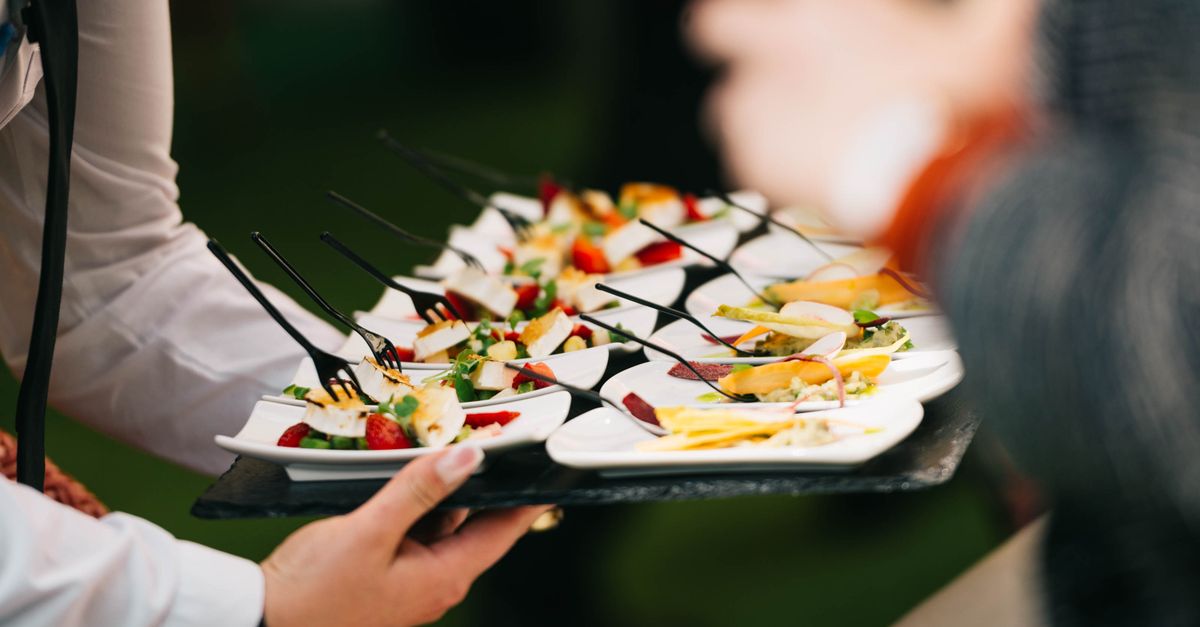
Choosing between catering and homemade preparation can significantly influence the atmosphere and logistics of a corporate gathering. Catering often brings a level of professionalism, with experienced chefs delivering authentic Spanish dishes that uphold quality and flavour. This option allows hosts to focus on other aspects of the event, such as networking and engagement, while possibly offering a greater variety of food than might be achievable with homemade cooking.
On the other hand, preparing meals in-house can create a personal touch that resonates with guests. Homemade dishes often reflect the host's personality and passion, fostering a warm and inviting atmosphere. While this approach may require considerable planning and time, it can provide an opportunity for teamwork among colleagues, enhancing bonds through shared culinary experiences. However, one must weigh these benefits against the potential stress of managing catering logistics and food preparation.
Pros and Cons of Each Approach
Catering presents a convenient option for corporate gatherings. It allows hosts to focus on other aspects of the event while ensuring a professional presentation of dishes. Many catering companies offer a variety of authentic Spanish culinary choices, making it easier to cater to different tastes. However, this option can come at a premium cost, which may not suit all budgets. There is also sometimes less flexibility in personalisation compared to homemade preparations.
On the other hand, homemade meals can bring a personal touch to the event. Preparing dishes in-house allows for greater control over ingredients, flavours, and presentation. This approach can foster teamwork if colleagues chip in to help, adding a sense of camaraderie. Nevertheless, it requires considerable time and effort, which can be a challenge for busy professionals. There’s also the risk of inconsistency in quality and presentation unless there is a culinary expert involved.
Dietary Considerations
When planning a Spanish feast, it's essential to consider the diverse dietary needs of your guests. This culture offers a vibrant array of dishes, often rich in flavours and ingredients that cater to various diets. Options such as tapas can easily incorporate vegetarian, vegan, or gluten-free selections. Dishes like patatas bravas or gazpacho naturally suit these preferences, making it simpler to ensure everyone feels included.
Accommodating guests with specific food restrictions requires a thoughtful approach. Clear communication is key; asking about dietary needs in advance allows for a well-prepared menu. Offering alternatives like chickpea-based salads or seafood paella can satisfy different taste preferences while still adhering to dietary restrictions. By providing options that remain true to Spanish cuisine, hosts can create a welcoming atmosphere for all attending.
Accommodating Guests with Food Restrictions
When planning a Spanish feast, it's essential to consider the dietary restrictions of attendees. Many traditional Spanish dishes contain gluten, dairy, or specific allergens. Offering a variety of alternatives can ensure that everyone enjoys the meal. For instance, incorporating gluten-free options like tortilla española made without flour or ensuring that paella is prepared without shellfish caters to those with allergies or dietary preferences.
Additionally, providing labelled dishes can significantly enhance the dining experience for guests with food restrictions. Including vegetarian and vegan options, such as gazpacho or various vegetable tapas, demonstrates thoughtfulness and inclusivity. By creating a clear menu with all ingredients listed, guests can confidently navigate their choices, allowing them to fully engage in the event without concern for their dietary needs.
Engaging Activities and Entertainment
To elevate the experience of a Spanish feast, consider incorporating interactive activities that resonate with the vibrant culture. Flamenco dance workshops can offer guests a chance to learn choreography while immersing themselves in the passionate spirit of Spain, creating an engaging atmosphere. Alternatively, a Spanish-themed trivia quiz can challenge participants on their knowledge of Spanish cuisine, customs, and landmarks. This encourages mingling among guests and fosters a lively environment.
Additionally, setting up a tapas-making station promotes participation and creativity. Guests can prepare their own small plates using a variety of fresh ingredients, making the dining experience personal and interactive. To enhance the celebration further, incorporating live music such as a guitarist or a small band playing traditional Spanish tunes can keep the mood upbeat. This combination of activities and entertainment ensures that guests will leave with cherished memories of a fun and culturally rich gathering.
Ideas to Enhance the Spanish Feast Experience
Using vibrant table decorations can significantly elevate the atmosphere of a Spanish feast. Consider incorporating colourful tablecloths, authentic ceramics, and small floral arrangements featuring Spanish blooms. Bright, eye-catching colours such as red, yellow, and orange can evoke the warmth of Spanish culture. Music playing softly in the background, featuring traditional flamenco or contemporary Spanish pop, will further immerse guests in the theme, encouraging a festive mood.
Interactive cooking stations can engage guests more fully and create memorable experiences. Set up a paella station where attendees can learn to create their own versions with guidance from a skilled chef. Tapas tasting tables are also a great option, offering an array of small dishes for guests to sample and share. Involving guests in the preparation process fosters conversation and connection, making the gathering more enjoyable and lively.
FAQS
What are the main differences between catering and homemade preparation for a Spanish feast?
Catering typically offers convenience and professional presentation, while homemade preparation allows for personalisation and potentially lower costs. Each approach has its advantages depending on your budget, time constraints, and the desired level of involvement in the meal preparation.
How can I accommodate guests with dietary restrictions during a Spanish feast?
It’s important to communicate with guests beforehand to understand their dietary needs. Consider offering a variety of dishes that cater to common restrictions, such as gluten-free paella, vegetarian tapas, and dairy-free options, ensuring that everyone can enjoy the feast.
What engaging activities can I incorporate to enhance the Spanish feast experience?
You can incorporate activities such as flamenco dancing lessons, tapas-making workshops, or a Spanish wine tasting to create an interactive atmosphere. These activities not only entertain but also encourage team bonding among attendees.
Are there specific traditional Spanish dishes that are best for corporate gatherings?
Yes, classic dishes like paella, patatas bravas, and a selection of tapas such as chorizo, olives, and cheese platters are popular choices. These dishes are not only delicious but also promote sharing and interaction among guests.
How can I ensure that the atmosphere at my corporate gathering feels authentically Spanish?
To create an authentic Spanish atmosphere, consider incorporating traditional decorations like colourful table settings, Spanish music, and even themed attire for the staff. A well-curated playlist of Spanish guitar or flamenco music can also enhance the overall experience.
Related Links
Pairing Spanish Delicacies with Corporate Networking GoalsMenu Ideas for Authentic Spanish Corporate Catering
The Importance of Presentation in Spanish Corporate Catering
Transforming Corporate Meetings with a Spanish Touch
Spanish Catering Trends for the Modern Corporate Event
The Benefits of Choosing Spanish Food for Workplace Celebrations
How to Incorporate Spanish Cuisine into Corporate Events