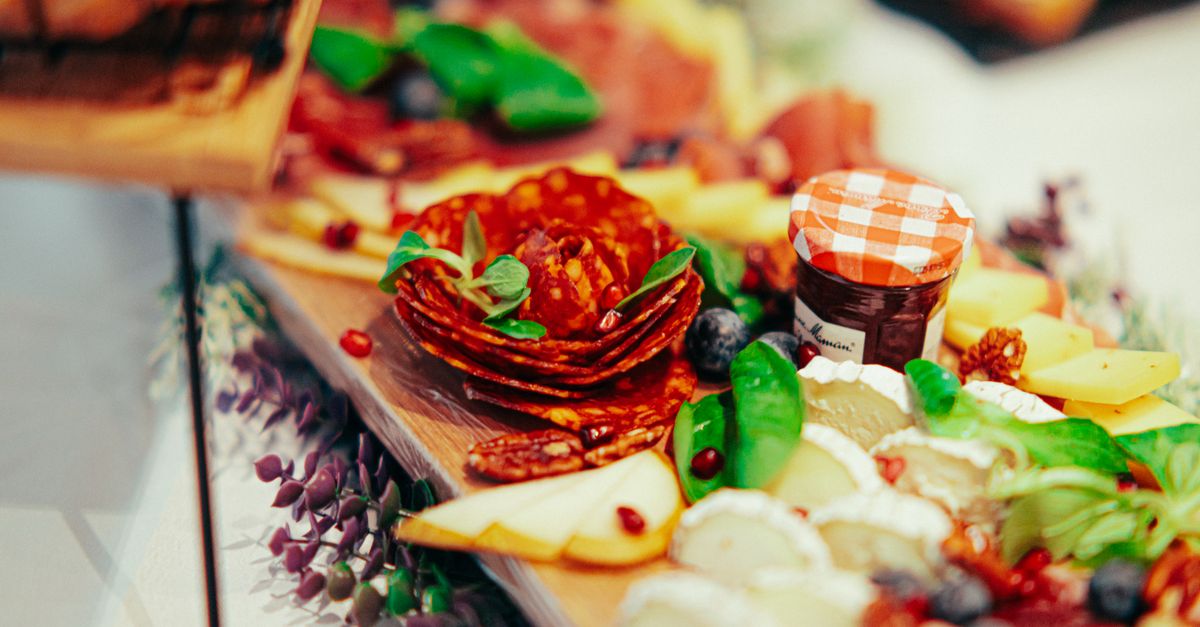
Celebrating with Authentic Spanish Flavours at Home
Table Of Contents
Spanish Desserts to Delight Your Guests
Indulging in Spanish desserts provides a wonderful way to end a meal on a sweet note. Classic options like churros served with rich chocolate sauce are always a crowd-pleaser. Tarta de Santiago, a simple yet delightful almond cake, showcases the traditional baking techniques of the region. Flan, a creamy caramel custard, adds elegance and is sure to impress any guest.
For those seeking a refreshing treat, consider serving fresh fruit drizzled with a hint of honey or an authentic crema catalana, which is similar to crème brûlée, featuring a crispy caramel topping. These desserts not only highlight the diversity of Spanish cuisine but also allow you to showcase your culinary creativity. Consider incorporating seasonal ingredients to heighten the flavours and enhance the overall experience for your guests.
Popular Sweet Treats from Spain
Spain offers a delightful array of desserts that reflect its rich culture and culinary traditions. Churros, for instance, are crispy on the outside and soft on the inside. Often dusted with sugar, they are best enjoyed dipped in thick chocolate sauce. Another classic treat is flan, a creamy caramel custard that is smooth and indulgent. Its simplicity highlights the quality of the ingredients, making it a popular choice for celebrations.
Tarta de Santiago is another notable dessert, featuring a delectable almond cake topped with powdered sugar and the cross of Saint James. This cake embodies the flavours of the region, with a moist texture and a hint of citrus. Additionally, polvorones and mantecados are traditional crumbly shortbread pastries that are especially popular during festive seasons. Each of these sweet treats brings a piece of Spain’s heritage to the table, inviting everyone to experience a taste of the country's culinary artistry.
Elevating Your Culinary Skills
Exploring the techniques behind Spanish cuisine can transform your home cooking experience. Emphasising the importance of ingredients, selecting fresh produce and high-quality oils lays a strong foundation for authentic dishes. Mastering essential cooking methods, such as sautéing and braising, allows you to bring out vibrant flavours in every recipe. Whether you're making a hearty paella or a simple tapas dish, understanding these techniques is key to success.
Incorporating traditional spices like smoked paprika and saffron adds depth to your meals. Practising the art of seasoning can elevate even the simplest of ingredients, creating complex flavour profiles. Don't overlook the role of presentation; Spanish dishes are often visually stunning and an appealing presentation can enhance the overall dining experience. Investing time in honing these skills will lead to a more enjoyable cooking journey and impress your guests at your next Spanish-themed gathering.
Cooking Techniques to Embrace Spanish Flavours
Incorporating Spanish flavours into your cooking begins with mastering a few essential techniques. Sautéing, for instance, is a fundamental method that brings out the vibrancy of ingredients. Starting with high-quality olive oil and allowing it to heat before adding garlic or onion unleashes aromatic notes that form the backbone of many dishes. Maintaining the right temperature ensures that you achieve a beautiful caramelisation without burning the ingredients, adding depth and complexity to your meals.
Another important technique is slow cooking, which is often used in traditional Spanish recipes like stews and braises. This method allows flavours to meld and mature over time, resulting in rich and hearty dishes. The use of spices such as smoked paprika and saffron during this process enhances not only the taste but also the visual appeal, creating meals that are as inviting to the eyes as they are to the palate. Embracing these cooking techniques can truly elevate your culinary repertoire and bring authentic Spanish experiences into your home.
Setting the Mood for a Spanish Feast
Creating an inviting atmosphere for a Spanish feast involves a blend of thoughtful decor, vibrant colours, and enticing aromas. Incorporating elements like traditional Spanish tableware can add character and authenticity to your dining experience. Bright hues of red, yellow, and blue often evoke the lively spirit of Spain. Fresh flowers, especially sunflowers or vibrant gerberas, can enhance the table setting while candles provide a warm, welcoming glow to the space.
Music plays an essential role in establishing the right ambiance. Consider curating a playlist featuring flamenco guitar or traditional Spanish tunes. This auditory backdrop complements the flavours of the meal, drawing guests into the celebration. Aromas from dishes simmering in the kitchen can also help to transport everyone to Spain, creating an engaging multisensory experience that sets the tone for a memorable evening.
Creating an Inviting Atmosphere at Home
To create an inviting atmosphere, begin with lighting that complements the warmth of Spanish culture. Soft, ambient lighting works wonders for setting the mood. Candles flickering on the table add a romantic touch while string lights, reminiscent of Spanish fiestas, can transform your space into a celebration. Complement the lighting with vibrant colours; deep reds, warm oranges, and rich yellows evoke the Spanish landscape and spirit, making your guests feel welcomed and immersed in the experience.
Emphasising the sensory aspects of the evening adds to the overall enjoyment. Play soft Spanish guitar or flamenco music in the background, enhancing the atmosphere while allowing conversation to flow freely. Incorporate elements like fresh herbs or citrus fruits as centrepieces, which not only serve as decoration but also tease the palate. A few thoughtfully placed tapas platters can spark interest, inviting guests to explore and indulge in the authentic flavours before the main meal begins.
FAQS
What are some popular Spanish desserts I can try at home?
Some popular Spanish desserts include Flan, Churros, Tarta de Santiago, and Crema Catalana. These treats are sure to impress your guests with their authentic flavours.
How can I elevate my cooking skills to create authentic Spanish dishes?
To elevate your cooking skills, focus on mastering essential Spanish cooking techniques such as sautéing, braising, and using fresh, high-quality ingredients. Additionally, consider taking a cooking class or following authentic Spanish recipes to enhance your skills.
What atmosphere should I aim to create for a Spanish feast at home?
To create an inviting atmosphere for a Spanish feast, use warm lighting, set a beautiful table with colourful tableware, and incorporate Spanish music. Consider adding decorative elements like flamenco fans or vibrant textiles to enhance the Spanish vibe.
Are there any specific ingredients I should have on hand for Spanish cooking?
Essential ingredients for Spanish cooking include olive oil, garlic, saffron, smoked paprika, and a variety of fresh vegetables. Don't forget classics like chorizo, seafood, and paella rice to create authentic dishes.
Can I celebrate with Spanish flavours even if I have dietary restrictions?
Absolutely! Many Spanish dishes can be adapted to suit dietary restrictions. For instance, you can prepare gluten-free paella, use plant-based proteins in traditional recipes, or create dairy-free desserts by exploring alternative ingredients.
Related Links
Tips for Planning a Private Party with Spanish CateringHow to Organise a Memorable Spanish Wine and Dine Night
Exploring Spanish Desserts for Your Next Private Celebration
Designing a Spanish Culinary Experience for Private Functions
Enhancing Your Private Party Experience with Spanish Tapas