Best Practices for Spanish Catering at Large Public Gatherings
Table Of Contents
Presentation Techniques
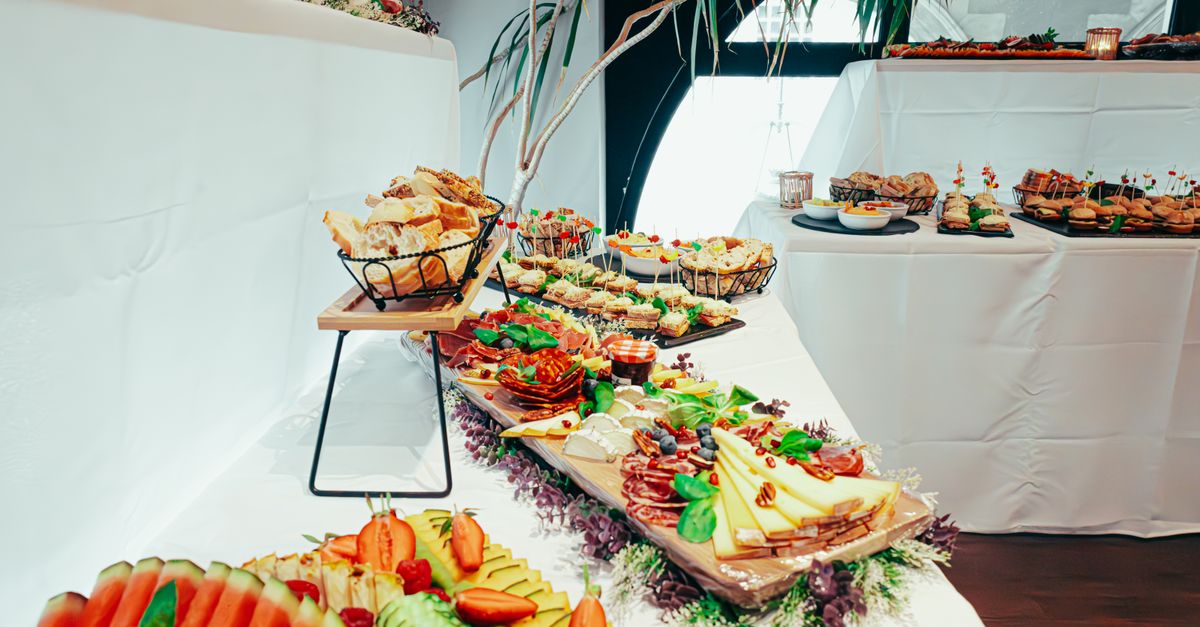
Creating an enticing display of food can significantly enhance the dining experience at large public gatherings. Consider using vibrant, colourful garnishes that reflect the rich culinary traditions of Spanish cuisine. Fresh herbs like parsley or coriander, slices of citrus, or edible flowers can add a burst of colour to each dish. Arranging food on platters in an aesthetically pleasing way further draws attention. Utilising height through tiered stands or varying the levels of serving bowls can also create visual interest.
Incorporating thematic elements that resonate with Spanish culture can elevate the overall presentation. Use decorative tableware and serving dishes that feature traditional motifs or bold colours synonymous with Spain. Consider arranging the food to encourage sharing, such as tapas-style displays that invite guests to engage with the offerings. Lighting plays an essential role, too; soft ambient light can highlight the colours and textures of the dishes, making the meal feel even more inviting and special.
Enhancing Visual Appeal of Dishes
Creating an appealing visual presentation for dishes is essential in Spanish catering, especially at large public gatherings. The vibrant colours and diverse textures of Spanish cuisine can be highlighted through thoughtful arrangement on platters. Consider using decorative elements like fresh herbs or edible flowers to elevate the aesthetic. Utilising a variety of serving dishes can further enhance visual interest, with different heights and shapes providing a dynamic look that invites guests to indulge.
Incorporating some traditional Spanish serving techniques can also contribute to the overall visual appeal. Tapas-style presentations, with an assortment of small, beautifully arranged dishes, encourage sharing and engagement among guests. Consider the use of rustic wooden boards or ceramic plates, which reflect the heritage of Spanish cuisine. Ensuring consistent portion sizes and neat plating helps maintain a polished appearance, creating a feast for the eyes that complements the delicious flavours on offer.
Catering Equipment Essentials
When organising Spanish catering for large gatherings, having the right equipment is crucial. Commercial-grade chafing dishes ensure that food remains at optimal serving temperatures, while appropriate serving utensils help maintain presentation and hygiene. Buffet servers can facilitate self-service, allowing guests to choose their portions, which is efficient for larger crowds. Investing in quality equipment minimizes the risk of service delays and maintains the event's overall quality.
In addition to serving tools, portable cooking devices offer flexibility and convenience. Gas or electric paella pans enable chefs to prepare a fresh dish on-site, enhancing the experience for attendees. Adequate refrigeration units are necessary for storing ingredients safely until they're needed. Ensuring a steady supply of power and access to water also plays a significant role in successful operations, particularly when handling large quantities of food in an outdoor setting.
Selecting the Right Tools for Large-Scale Service
Choosing the appropriate catering equipment is vital for efficiency during large events. High-capacity food warmers and chillers are essential for maintaining optimal temperatures, while serving utensils designed for bulk quantities streamline the serving process. Transport containers that are insulated can help preserve the integrity of dishes, reducing the risk of spoilage or temperature loss before service begins.
Additionally, investing in portable cooking equipment can enhance flexibility at larger gatherings. Grills, burners, and fryers that are easy to transport allow for on-site meal preparation when necessary. Moreover, providing enough tableware and serving platters ensures that guests experience a smoothly flowing buffet or meal service, facilitating a positive dining experience. Keeping a well-organised system for equipment storage and transport can also aid in setting up and dismantling, making the process efficient and hassle-free.
Beverage Pairing Suggestions
Selecting the right beverages to accompany Spanish dishes can elevate the dining experience and enhance the flavours of both food and drink. For a traditional tapas spread, light and refreshing options like a chilled Sauvignon Blanc or a sparkling Cava often pair well. These beverages can complement the salty and savoury notes of olives, cheeses, and cured meats, creating a balanced palate for guests.
When serving hearty dishes such as paella or rich stews, consider offering robust reds like Rioja or Garnacha. These wines have the depth and complexity to stand up to bold flavours and spices. Additionally, non-alcoholic options such as a revitalising citrus-infused water or a Spanish-style lemonade can provide refreshing alternatives for those preferring a lighter drink. These thoughtful choices can help ensure that all guests enjoy a fulfilling culinary experience.
Complementing Spanish Dishes with Suitable Drinks
Pairing beverages with Spanish cuisine can elevate the tasting experience for guests. Consider offering a selection of regional wines, such as a chilled Albariño or a robust Tempranillo, which accentuate the flavours of dishes like seafood paella or roasted meats. Additionally, vermouth and sparkling ciders can provide refreshing alternatives that complement the varied tastes of tapas.
Non-alcoholic options are equally important to cater to all attendees. Spanish-inspired mocktails, made with citrus juices and fresh herbs, can provide a refreshing contrast to richer dishes. Offering a variety of sodas, like traditional Spanish lemon or orange soda, can also enhance the overall dining experience, ensuring everyone finds something enjoyable to drink alongside their meal.
FAQS
What are some effective presentation techniques for Spanish dishes at large gatherings?
Effective presentation techniques include using vibrant tableware, arranging food in layers for height, garnishing with fresh herbs or edible flowers, and incorporating traditional Spanish elements like paella pans or terracotta dishes.
What catering equipment is essential for serving Spanish cuisine at large events?
Essential catering equipment includes large paella pans, chafing dishes, heat lamps, serving utensils, and portable cooking equipment. Additionally, consider having ample refrigeration and storage space for ingredients.
How can I enhance the visual appeal of Spanish dishes?
To enhance the visual appeal, focus on colour contrast, use vibrant ingredients like red peppers and green herbs, and present dishes in an artistic manner. Arranging food thoughtfully and adding decorative elements can also elevate the presentation.
What are some popular beverage pairings for Spanish dishes?
Popular beverage pairings include Spanish wines like Tempranillo or Albariño, sangria, and traditional Spanish cocktails such as tinto de verano. Additionally, consider offering non-alcoholic options like sparkling water or fruit juices.
How can I ensure that my service is efficient when catering for a large crowd?
To ensure efficient service, plan the menu ahead of time, set up a streamlined serving line, and train staff on their roles. Prioritising pre-prepared dishes and using quality catering equipment can also enhance service speed and effectiveness.
Related Links
Unique Spanish Dishes That Stand Out in Festival MenusSpanish Tapas Bars: A Hit at Sydney's Outdoor Events
Crafting a Memorable Spanish Catering Experience for Community Events
Essential Considerations for Spanish Food Stalls at Sydney Festivals
Tips for Choosing Spanish Catering for Your Next Fair
How to Incorporate Spanish Flavours into Festival Catering
The Role of Spanish Cuisine in Sydney's Multicultural Fairs
Highlighting Spanish Culture through Food at Sydney Festivals