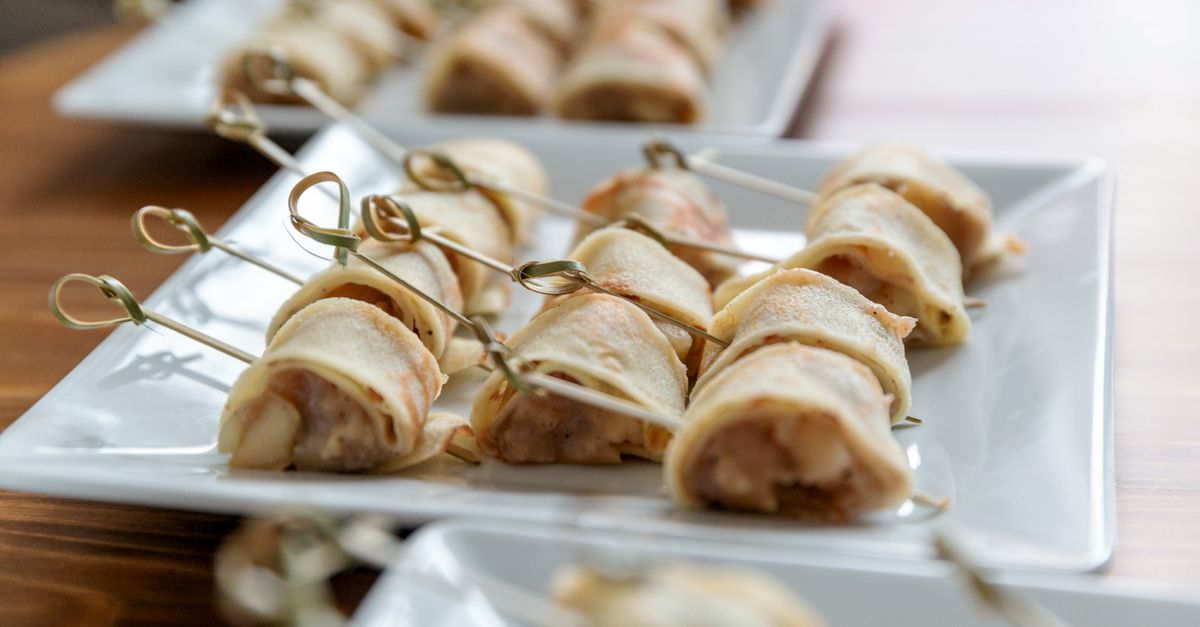
A Taste of Spain: Culinary Experiences for Themed Gatherings
Table Of Contents
The Role of Olive Oil in Spanish Cooking
Olive oil is a cornerstone of Spanish cooking, integral to the nation's culinary identity. It serves not only as a cooking medium but also as a flavour enhancer. Many traditional dishes, such as paella and gazpacho, rely on high-quality olive oil to elevate their taste profiles. Its rich, fruity notes and smooth texture contribute to the overall sensory experience in Spanish cuisine.
In Spain, the use of olive oil goes beyond cooking. It is often drizzled over finished dishes to enrich flavours or used as a base for dressings and marinades. With its health benefits and versatility, olive oil is more than just an ingredient; it's essential to the Mediterranean lifestyle that characterises Spanish gastronomy. The selection of the right type of olive oil can significantly influence the final dish, making it a vital consideration for anyone aiming to replicate authentic Spanish flavours.
Choosing High-Quality Olive Oil for Authentic Flavour
When selecting olive oil to achieve an authentic Spanish flavour, looking for cold-pressed extra virgin varieties is essential. This type offers the highest quality and is made from the first pressing of fresh olives, retaining their natural flavours and nutrients. Ideally, the oil should have a low acidity level, usually below 0.8%, which indicates superior quality and a more robust taste profile. Pay attention to the origin; Spanish oils from regions like Andalusia or Catalonia can provide that genuine touch you desire.
Reading labels carefully can reveal important information about the olive oil's quality. Look for certifications or indications of single-origin oils, as these often represent specific local characteristics and flavour nuances. Consider exploring smaller producers or artisan brands that focus on quality over quantity. A tasting experience can also aid in identifying the palette that best complements your dishes, from grassy and fruity to peppery notes, all fundamental in authentic Spanish cuisine.
Hosting a Spanish Cooking Class
Gathering friends or family for a Spanish cooking class can be a delightful way to immerse everyone in the flavours and techniques of this vibrant cuisine. Choose a space that allows for movement and collaboration, such as a large kitchen or a communal area. Planning a selection of dishes that highlight traditional recipes will not only engage participants but also give them the opportunity to learn about the cultural significance behind each meal. Ensuring that each participant has a role will foster a sense of teamwork, making the experience both educational and enjoyable.
Utilising a well-structured flow for the class can enhance the overall experience. Start with a brief introduction to Spanish culinary traditions before diving into the cooking. Break down complex dishes into manageable steps, allowing time for participants to practice essential skills like chopping, sautéing, and seasoning. Encourage participants to ask questions and share their own experiences while cooking. Providing tasting opportunities throughout the class helps to keep the energy high and can lead to lively discussions about each dish.
Tips for Organising a Fun Culinary Experience
Creating an engaging atmosphere is fundamental to any culinary event. Begin by selecting a comfortable space that allows for easy movement and interaction. Consider setting up different cooking stations where participants can gather. Provide clear instructions for each dish and assign roles to keep everyone involved. Music that reflects the spirit of Spain can enhance the theme and build excitement among guests.
Incorporating elements of culture will enrich the experience. Share interesting facts about the dishes being prepared, including their origins or variations across Spain. Encourage participants to ask questions or share their own culinary experiences. Providing tastings of regional wines or tapas while cooking can encourage conversation. This interactive approach helps to create lasting memories and fosters a sense of community among attendees.
Sourcing Authentic Spanish Ingredients
When planning a themed gathering centred around Spanish cuisine, sourcing authentic ingredients is key to achieving the true flavours of the region. Many traditional Spanish dishes rely on specific items like manchego cheese, chorizo, and saffron. Local markets and specialty gourmet stores can be excellent resources for these products. Look for shops with a strong focus on international foods, as they often carry authentic Spanish brands and imported goods.
Online retailers can also provide a wealth of options if local stores fall short. Websites dedicated to Spanish cuisine often stock a variety of essential ingredients, from paella rice to quality olive oil. Checking the product descriptions will ensure you are choosing options that meet authenticity standards. Additionally, consider connecting with local Spanish communities or cultural organisations. They may offer insights into niche suppliers or even community events where you can find unique ingredients for your culinary adventure.
Where to Find Specialty Products in Australia
Finding authentic Spanish ingredients in Australia can be rewarding for culinary enthusiasts. Many cities boast specialty stores dedicated to international foods, which often include a diverse range of Spanish products. Markets in capital cities, particularly those with a strong multicultural presence, frequently have stalls or sections dedicated to Mediterranean groceries. Traditional items such as paella rice, chorizo, and pimientos can often be located here.
Local online retailers have also risen to meet the demand for authentic Spanish ingredients. Websites dedicated to gourmet foods can be a valuable resource, offering everything from high-quality olive oils to specialty spices. Additionally, consider checking out food festivals or Spanish culinary events, as they often feature vendors who specialise in authentic ingredients. These outlets can elevate a themed gathering by providing the essential flavours of Spain.
FAQS
What is the significance of olive oil in Spanish cooking?
Olive oil is a foundational ingredient in Spanish cuisine, used for both cooking and dressing dishes. It enhances flavours, adds richness, and is integral to traditional recipes.
How can I choose high-quality olive oil for my Spanish dishes?
Look for extra virgin olive oil, which is cold-pressed and retains the best flavour and nutritional value. Check for certifications, origin labels, and consider tasting different varieties to find one that suits your palate.
What should I consider when hosting a Spanish cooking class?
Consider the class size, menu selection, and whether you want a professional chef or a knowledgeable friend to lead. Ensure you have all necessary ingredients and equipment ready, and create a fun, relaxed atmosphere.
How can I source authentic Spanish ingredients in Australia?
You can find specialty Spanish ingredients at local gourmet shops, farmers' markets, or online retailers. Look for stores that import goods directly from Spain or those that focus on Mediterranean cuisine.
What are some tips for organising a fun culinary experience for a themed gathering?
Engage your guests by involving them in the cooking process, provide clear instructions, and create a festive atmosphere with Spanish music and décor. Consider pairing dishes with appropriate Spanish wines for an enhanced experience.
Related Links
Unforgettable Spanish Carnival Themes for Your Next CelebrationEngaging Activities for Spanish-Themed Corporate Events
Incorporating Spanish Art and Music into Your Themed Event
Hosting a Spanish Wine and Dine Night: Tips and Ideas
Planning a Rustic Spanish Garden Party in Sydney
The Essential Guide to Spanish Cultural Themes in Sydney Events
Designing a Colourful Spanish Fiesta for Special Celebrations